
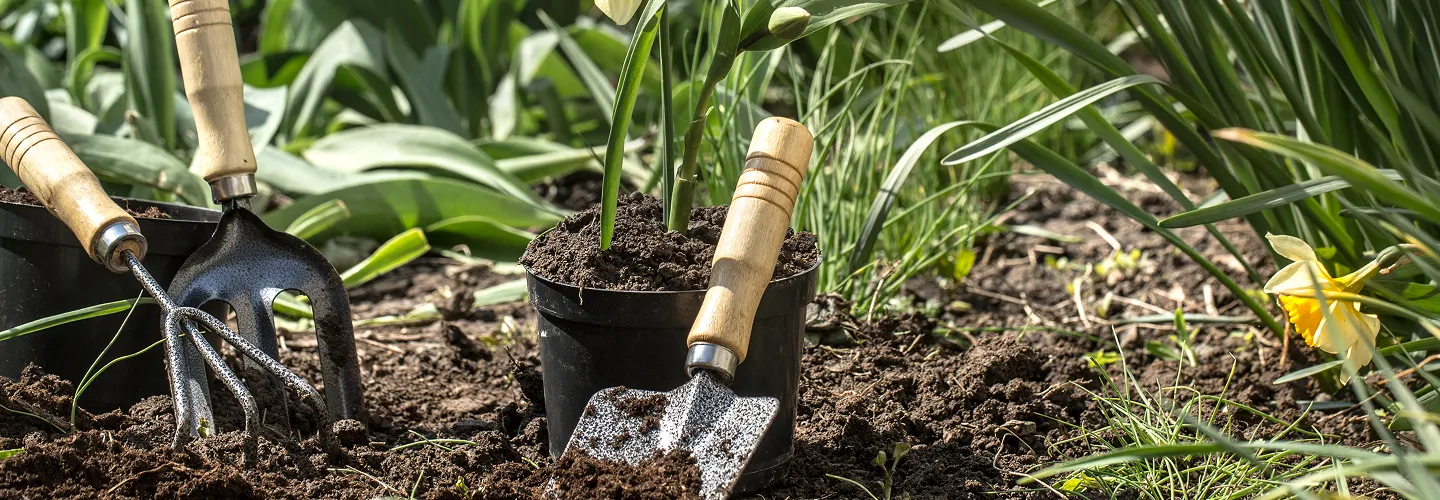
Brookhaven Artificial Grass Installation Services
Choose our artificial grass installation for a beautiful, maintenance-free lawn that saves you time, money, and water—enjoy green perfection all year round without the work.
Get a Free QuoteOur Brookhaven Landscaping & Yard Care Services
When to Schedule Artificial Grass Installation in Brookhaven, Georgia – Seasonal Guide
Choosing the right time for artificial grass installation in Brookhaven, Georgia, can make a significant difference in the longevity and appearance of your new lawn. Brookhaven’s climate features hot, humid summers and mild winters, with rainfall distributed throughout the year. The optimal installation periods are typically late spring and early fall, when temperatures are moderate and the ground is neither too wet nor too dry. This timing helps ensure proper settling and adhesion of the turf, especially in neighborhoods like Ashford Park or near Murphey Candler Park, where mature trees and varying shade levels can impact installation.
Local environmental factors such as the last frost date, summer drought risk, and soil composition—often a mix of clay and loam—should be considered. Areas with dense tree coverage, like those near Blackburn Park, may require additional preparation to manage leaf debris and shade. It’s also important to check for any municipal guidelines or restrictions, which can be found on the city’s official website, before scheduling your project.
Local Factors to Consider for Artificial Grass Installation in Brookhaven
- Tree density and shade coverage
- Soil type (clay, loam, or sandy soils)
- Seasonal precipitation and drainage patterns
- Proximity to landmarks or water features
- Municipal restrictions or permit requirements
- Terrain slope and accessibility
Benefits of Artificial Grass Installation in Brookhaven
Low Maintenance Landscaping
Year-Round Green Appearance
Water Conservation
Pet-Friendly Surfaces
Allergy Reduction
Long-Lasting Durability
Brookhaven Artificial Grass Installation Types

Residential Lawn Installation
-
Pet-Friendly Turf Solutions
-
Playground Artificial Grass
-
Commercial Landscape Turf
-
Sports Field Turf Installation
-
Rooftop and Balcony Turf
-
Putting Green Installation
Our Artificial Grass Installation Process
Site Evaluation
Ground Preparation
Base Installation
Laying Artificial Grass
Finishing and Inspection
Why Choose Brookhaven Landscape Services
-
Brookhaven Homeowners Trust Us
-
Expert Lawn Maintenance
-
Reliable Scheduling
-
Competitive Pricing
-
Professional Team
-
Satisfaction Guarantee
-
Personalized Service
Brookhaven's Piedmont Red Clay Soils and Sub-Base Preparation for Artificial Grass
Brookhaven sits within Georgia's Piedmont region, where the predominant soil series include Cecil, Appling, and Madison soils — dense, red clay-rich Ultisols with limited natural drainage and significant compaction potential. According to the USDA Web Soil Survey, these soils typically exhibit slow to moderate permeability and high shrink-swell capacity, which directly affects how artificial grass installations must be engineered. Before any synthetic turf is laid, the existing clay layer must be excavated to a minimum depth of 3 to 4 inches, with a compacted aggregate base — typically crushed granite or decomposed granite — installed to promote drainage and prevent surface heaving. Failure to address Brookhaven's clay subsoil conditions can result in pooling, base shifting, and premature turf failure. Property owners in USDA Hardiness Zone 7b, which covers Brookhaven, should also account for occasional freeze-thaw cycles that can further destabilize improperly prepared sub-bases. Consulting the UGA Cooperative Extension for regional soil drainage guidance is recommended prior to installation planning.
Stormwater Drainage Compliance and Brookhaven's Water Resources Program
Artificial grass installations alter the natural infiltration characteristics of a property, replacing permeable organic turf with a synthetic surface that, depending on infill and base design, may redirect stormwater flow. Brookhaven's Stormwater & Water Resources Program administers drainage infrastructure maintenance and environmental compliance programs across the city. Property owners undertaking artificial grass projects should ensure that drainage from the synthetic surface does not discharge directly into storm inlets, drainage ditches, or stream corridors without appropriate management. Brookhaven contains several drainage corridors and creek tributaries that feed into the larger South Fork Peachtree Creek watershed, a system subject to water quality protections under the Clean Water Act and monitored by Georgia EPD's Watershed Protection Branch. Key drainage compliance steps include:
- Installing a permeable aggregate base layer of at least 3–4 inches to allow vertical infiltration
- Directing surface runoff away from property lines and public storm inlets
- Avoiding infill materials that may leach into drainage systems
- Verifying that grading does not increase runoff velocity toward adjacent properties
Brookhaven Stormwater & Water Resources Program
4362 Peachtree Road NE, Brookhaven, GA 30319
Official Website: Brookhaven Stormwater & Water Resources Program
Navigating Brookhaven's Planning and Zoning Review for Landscape Surface Changes
Significant alterations to residential or commercial ground cover — including the replacement of natural turf with artificial grass over large areas — may be subject to review by Brookhaven Planning & Zoning or Brookhaven Community Development, particularly when the project involves grading, drainage modification, or changes to impervious surface coverage. Brookhaven's zoning code addresses land use and development standards that can affect how synthetic turf installations are classified, especially in front yards, commercial zones, or properties within planned development overlays. Property owners should confirm whether their installation requires a land disturbance permit or site plan review before work begins. Projects that disturb more than one acre of land are subject to Georgia EPD's NPDES Stormwater Program requirements. Practical steps include:
- Submitting a site plan showing existing and proposed drainage patterns
- Confirming zoning district standards for ground cover materials
- Verifying impervious surface limits applicable to the parcel
- Checking whether HOA covenants impose additional restrictions on synthetic turf
Brookhaven Planning & Zoning
4362 Peachtree Road NE, Brookhaven, GA 30319
Official Website: Brookhaven Planning & Zoning
Brookhaven Community Development
4362 Peachtree Road NE, Brookhaven, GA 30319
Official Website: Brookhaven Community Development
Heat Retention, Infill Selection, and Brookhaven's Summer Climate Conditions
Brookhaven experiences long, humid summers typical of Metro Atlanta's Piedmont climate, with average high temperatures regularly exceeding 90°F from June through August and heat index values frequently surpassing 100°F. Artificial grass surfaces can retain significantly more heat than natural turf under these conditions — surface temperatures on synthetic turf in direct sun have been measured at 140°F to 170°F during peak summer hours in comparable Georgia climates. Infill material selection is therefore a critical decision for Brookhaven property owners. Crumb rubber infill, while common, absorbs and retains heat at higher rates than alternatives such as cork, silica sand, or thermoplastic elastomer (TPE) infill. Practical guidance for Brookhaven installations includes:
- Selecting light-colored or heat-mitigating infill products for sun-exposed areas
- Specifying turf products with UV-stabilized polyethylene fibers rated for Zone 7b conditions
- Planning for periodic rinsing with water during peak summer months to reduce surface temperature
- Avoiding installation of synthetic turf in areas where children or pets will have prolonged contact during midday heat
The National Weather Service Peachtree City forecast office provides seasonal temperature and heat advisory data relevant to Brookhaven's planning decisions.
Brookhaven Tree Canopy Preservation and Artificial Grass Installation Near Protected Trees
Brookhaven maintains an active Tree Canopy Preservation program that regulates tree removal, protection during construction, and canopy coverage standards across the city. Artificial grass installations that require excavation, grading, or compaction within the critical root zone of protected trees may trigger review under Brookhaven's tree protection ordinance. The critical root zone is generally calculated as 1 foot of radius per inch of trunk diameter at breast height (DBH), meaning a 20-inch DBH tree requires protection within a 20-foot radius. Excavating or compacting soil within this zone can cause irreversible root damage and tree decline. Property owners and contractors should:
- Identify all protected trees on the parcel before excavation begins
- Submit a tree protection plan if installation work falls within any critical root zone
- Use hand excavation or air-spade methods near root zones rather than mechanical grading
- Confirm whether any trees require a removal permit through Brookhaven's tree canopy program before clearing vegetation for turf installation
Brookhaven Tree Canopy Preservation
4362 Peachtree Road NE, Brookhaven, GA 30319
Official Website: Brookhaven Tree Canopy Preservation
What Neighborhoods Do We Serve Throughout Brookhaven, GA?
- Ashford Park: A well-established residential neighborhood with mature tree canopy and older lot configurations; red clay subsoil conditions here require thorough excavation and aggregate base preparation to ensure proper drainage beneath synthetic turf.
- Lynwood Park: A historically significant neighborhood with smaller lot sizes and established landscaping; artificial grass installations in this area should account for shade from mature hardwoods and proximity to drainage corridors.
- Drew Valley: Located near South Fork Peachtree Creek tributaries, this neighborhood presents stormwater sensitivity concerns; drainage design for artificial turf must direct runoff away from creek-adjacent areas.
- Brookhaven Village: A mixed residential and commercial corridor with varied lot sizes and HOA-governed properties; zoning review and covenant compliance are particularly relevant for front-yard synthetic turf installations.
- Murphey Candler Park Area: Properties adjacent to Murphey Candler Park feature wooded edges and sloped terrain; sub-base grading and erosion control during installation require careful planning on hillside lots.
- North Brookhaven: Newer subdivisions in this area may include fill soils with variable compaction characteristics; soil assessment prior to base installation is recommended to ensure uniform surface stability.