
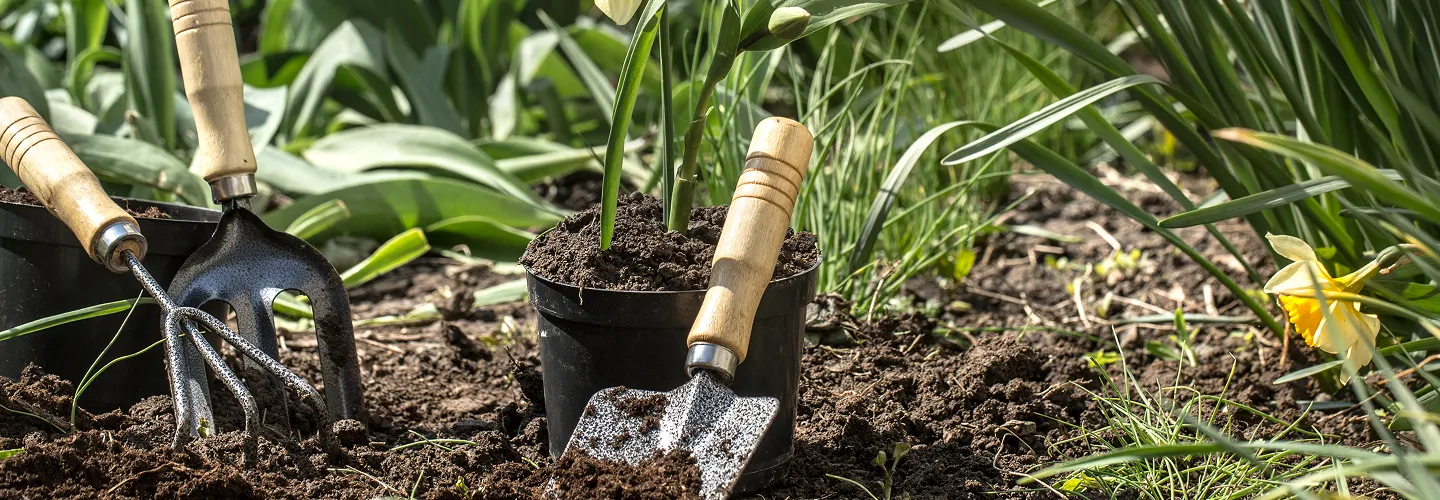
Brookhaven Flower Bed Maintenance Services
Choose our Flower Bed Maintenance for expert care that keeps your garden blooming, weed-free, and healthy all season long—so you can enjoy stunning curb appeal without the hassle.
Get a Free QuoteOur Brookhaven Landscaping & Yard Care Services
When to Schedule Flower Bed Maintenance in Brookhaven, Georgia – Seasonal Guide
In Brookhaven, Georgia, the timing of flower bed maintenance is crucial for ensuring vibrant, healthy landscapes throughout the year. Due to our region’s humid subtropical climate, with mild winters and hot, moist summers, the best periods for comprehensive flower bed care are early spring and late fall. These windows allow for soil preparation, mulching, and planting before the intense summer heat or winter chill sets in. Local neighborhoods like Ashford Park and Historic Brookhaven often experience microclimates influenced by mature tree canopies and proximity to Peachtree Creek, which can affect soil moisture and sunlight exposure.
Environmental factors such as late spring frost dates, summer drought risk, and the heavy clay soils common in Brookhaven neighborhoods play a significant role in determining the optimal maintenance schedule. For example, areas near Murphey Candler Park may require additional attention to drainage and shade coverage, while homes closer to Dresden Drive might contend with more compacted soils. For more information on local climate patterns and gardening resources, visit the Sudbury municipal site.
Local Factors to Consider for Flower Bed Maintenance in Brookhaven
- Tree density and shade coverage, especially in neighborhoods with mature oaks and maples
- Soil type and drainage, with many areas featuring heavy clay or compacted soils
- Seasonal precipitation patterns and risk of summer drought
- Frost dates, typically late March to early April
- Terrain variations, such as sloped yards or proximity to creeks
- Municipal restrictions or guidelines on landscaping and water usage
Benefits of Flower Bed Maintenance in Brookhaven
Enhanced Curb Appeal
Weed and Pest Prevention
Healthier Plant Growth
Seasonal Color Management
Professional Landscape Expertise
Increased Property Value
Brookhaven Flower Bed Maintenance Types

Seasonal Flower Planting
-
Weed Control Services
-
Mulching and Soil Conditioning
-
Pruning and Deadheading
-
Fertilization Programs
-
Pest and Disease Management
-
Edging and Bed Redefining
Our Flower Bed Maintenance Process
Site Evaluation
Weed Removal
Soil Preparation
Plant Care
Mulching
Why Choose Brookhaven Landscape Services
-
Brookhaven Homeowners Trust Us
-
Expert Lawn Maintenance
-
Reliable Scheduling
-
Competitive Pricing
-
Professional Team
-
Satisfaction Guarantee
-
Personalized Service
Brookhaven's Piedmont Red Clay Soils and Flower Bed Drainage Management
Brookhaven sits within Georgia's Piedmont region, where the predominant soil series include Cecil, Appling, and Madison soils — all characterized by red clay subsoils with limited drainage capacity and a naturally acidic pH typically ranging from 5.0 to 6.0. According to the USDA Web Soil Survey, these clay-heavy profiles compact readily under foot traffic and equipment pressure, creating conditions that restrict root penetration and promote standing water in flower beds. Brookhaven falls within USDA Hardiness Zone 7b, supporting a long growing season but also exposing beds to summer heat stress and occasional late-winter freeze events. Effective flower bed maintenance in this environment requires:
- Amending bed soil with 3–4 inches of compost worked to a depth of 8–10 inches to improve drainage and aeration
- Raising bed grades slightly above surrounding grade to encourage surface drainage away from plant crowns
- Testing soil pH annually and applying lime as needed to bring levels toward the 6.0–6.5 range preferred by most ornamental plants
- Avoiding heavy clay backfill when replanting or expanding beds
UGA Cooperative Extension provides soil amendment guidance specific to Georgia Piedmont conditions and can assist with interpreting soil test results from the UGA Soil, Plant, and Water Laboratory.
Seasonal Planting and Bed Renewal Timing for Brookhaven's Climate
Brookhaven's position in Zone 7b means that warm-season annuals such as vinca, pentas, and caladiums can be safely installed after the average last frost date, which typically falls between late March and mid-April. Cool-season annuals including pansies, snapdragons, and ornamental kale perform best when planted in October through early November, as soil temperatures drop below 65°F. Summer heat and humidity — with average July highs near 90°F and relative humidity frequently exceeding 70 percent — accelerate fungal pressure in densely planted beds. Practical timing guidelines for Brookhaven flower bed maintenance include:
- Spring bed preparation: late February through March, including edging, soil amendment, and mulch refresh
- Warm-season planting window: mid-April through May for annuals; perennial division and transplanting best completed by early May
- Fall transition: September through October for cool-season installation and summer annual removal
- Winter bed cleanup: December through January for cutting back dormant perennials and refreshing mulch depth to 2–3 inches
The National Weather Service Atlanta forecast office provides local frost date tracking and seasonal temperature outlooks relevant to planting decisions in Brookhaven.
Protecting Peachtree Creek Corridor Beds from Fertilizer and Pesticide Runoff
Peachtree Creek and its tributaries flow through and adjacent to portions of Brookhaven, making stormwater runoff from flower beds a regulated environmental concern. The Brookhaven Stormwater & Water Resources Program administers local drainage infrastructure and water quality compliance programs aligned with Georgia's municipal separate storm sewer system (MS4) permit requirements under the EPA NPDES Program. Fertilizer and pesticide applications in beds near drainage swales, curb inlets, or creek-adjacent properties carry elevated runoff risk, particularly during Brookhaven's summer storm season when rainfall events can exceed 2 inches per hour. Property owners and maintenance professionals should observe the following practices:
- Apply granular fertilizers only when no rain is forecast within 24–48 hours
- Maintain a minimum 10-foot buffer between fertilizer or pesticide application zones and any storm drain inlet, drainage ditch, or creek bank
- Sweep or blow fertilizer granules off hard surfaces immediately after application
- Use slow-release nitrogen formulations to reduce leaching potential in clay soils
- Consult the Georgia EPD Watershed Protection Branch for guidance on water quality standards applicable to residential and commercial landscape maintenance
Brookhaven Stormwater & Water Resources Program
4362 Peachtree Road NE, Brookhaven, GA 30319
Phone: (404) 637-0500
Official Website: Brookhaven Stormwater & Water Resources Program
Brookhaven Code Enforcement Standards for Bed Upkeep and Nuisance Vegetation
Brookhaven's Code Enforcement division monitors property maintenance standards citywide, including the condition of landscaped areas visible from public rights-of-way. Overgrown flower beds, invasive groundcovers encroaching onto sidewalks, and accumulated organic debris in front-yard beds can trigger code compliance notices under the city's property maintenance ordinance. Residents and property managers should be aware of the following compliance considerations:
- Beds adjacent to public sidewalks must not obstruct pedestrian clearance or sightlines at intersections
- Invasive species such as English ivy (Hedera helix), Chinese privet (Ligustrum sinense), and Japanese honeysuckle — identified by UGA Extension - Invasive Species as problematic in Georgia — should be removed and not replanted in managed beds
- Accumulated leaf litter and dead plant material in beds should be cleared regularly to prevent pest harborage and drainage obstruction
- Mulch depth should not exceed 3–4 inches to avoid creating conditions that attract rodents or promote crown rot
Brookhaven Code Enforcement
4362 Peachtree Road NE, Brookhaven, GA 30319
Phone: (404) 637-0500
Official Website: Brookhaven Code Enforcement
Georgia Pesticide Licensing Requirements for Professional Flower Bed Maintenance
When flower bed maintenance involves the application of herbicides, insecticides, or fungicides by a hired contractor, Georgia law requires that the applicator hold a valid pesticide license issued by the Georgia Department of Agriculture. Under the Georgia Pesticide Use and Application Act of 1976, commercial pesticide applicators must be licensed in the appropriate category — typically Category 24 (Ornamental and Turf) for flower bed work — and must apply only products registered for the intended use site. Property owners in Brookhaven hiring landscape maintenance professionals should verify:
- That the contractor holds a current Georgia Department of Agriculture pesticide applicator license
- That product labels are followed precisely, including rates, re-entry intervals, and environmental precautions
- That pre-emergent herbicide applications in beds are timed appropriately — typically late February through early March before soil temperatures reach 55°F — to prevent weed germination without harming desirable plants
- That post-emergent spot treatments are applied with targeted equipment to minimize drift onto adjacent turf or water features
What Neighborhoods Do We Serve Throughout Brookhaven, GA?
- Ashford Park: A well-established neighborhood with mature tree canopy and older landscape beds that often require soil amendment and root competition management due to dense shade from large hardwoods.
- Brookhaven Village: A mixed residential and commercial corridor where front-facing flower beds are subject to higher pedestrian visibility and code compliance scrutiny, requiring consistent seasonal color rotation and edging.
- Lynwood Park: A historically significant neighborhood with smaller lot sizes and clay-heavy soils that drain slowly, making raised bed construction and amended planting media particularly important for ornamental success.
- Dresden Drive Corridor: Properties along this active commercial and residential corridor experience compacted urban soils and impervious surface runoff, requiring careful bed grading and mulch management to protect plant health.
- Murphey Candler Park Area: Proximity to Murphey Candler Lake and associated drainage corridors means that fertilizer and pesticide applications in nearby beds require heightened runoff precautions consistent with Brookhaven's stormwater program guidelines.
- North Brookhaven: Newer subdivisions in this area often feature fill soils with variable drainage characteristics, requiring site-specific soil assessment before establishing permanent flower bed plantings.
- Skyland: A wooded residential area with significant shade pressure from mature pines and hardwoods, where shade-tolerant species such as astilbe, hellebore, and liriope are better suited than sun-dependent annuals.